A/c Peptide Testing Labs Third-party Peptide Analysis
Exactly How To Review A Peptide Certificate Of Analysis Coa: Uk Scientist's Overview 2026
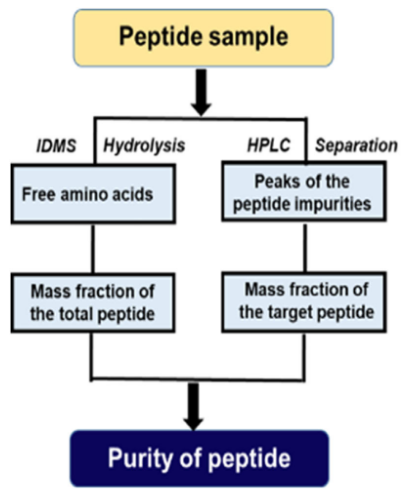
If the record can not be linked to a details set, it ends up being much harder to recognize whether the reported outcomes actually apply to the product being offered. HPLC is normally used to separate elements within an example and approximate the loved one proportion of the main observable height. For purchasers, this makes it an usual reference factor for reviewing reported pureness data on a batch-specific record. A COA should not only reveal an outcome, however likewise indicate how that result was obtained. In most cases, customers will see techniques such as HPLC for pureness coverage and, when available, LC-MS for identity-related verification.
Pureness Outcome
We publish cause a standard Bluewell design that is easy to check out and contrast. The mathematical results and final thoughts are unmodified from the confirmed lab information. Clear documents, clear communication, and consistent research-use-only placing all issue when comparing sourcing choices.- This becomes specifically vital when comparing repeat orders or reviewing consistency across several lots.
- The first points to examine are the peptide name, set or lot number, and the day of evaluation.
- The result should exist clearly enough that a visitor can determine the technique, the date, and the reported result without confusion.
- A full, well-formatted file is easier to rely on than one that is blurred, insufficient, or tough to link to the product page.
Questions About Our Testing?
In basic terms, HPLC is commonly made use of for purity coverage, while LC-MS can include one more layer of identity-focused context. A peptide Certification of Evaluation (COA) is among one of the most essential records buyers Peptide Manufacturing evaluate when reviewing study peptides. A Certification of Analysis is a comprehensive paper that verifies a product satisfies its given high quality requirements. For our peptides, this implies verifying their chemical identity, pureness, and focus via innovative logical methods.
Usual Red Flags In A Peptide Coa
Supplier-provided COAs from in-house screening carry inherent problems of interest. Third-party COAs from recognized independent research laboratories use greater dependability. When just internal COAs are readily available, verify the vendor's track record through community testimonials and take into consideration independent testing for essential applications. HPLC separates the peptide example into its constituent elements based on their chemical properties, generating a chromatogram that presents tops corresponding to various compounds existing. The main optimal stands for the target peptide, while smaller sized heights show contaminations, synthesis byproducts, or deterioration products.

Ends · TITUSJOAF594